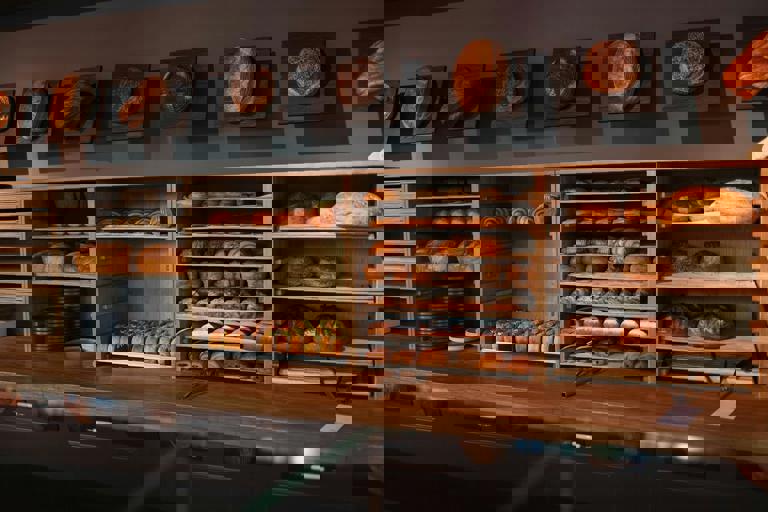
Artisan bakeries across Canada are experiencing an unprecedented surge in demand for their rustic, hearty sourdough loaves. As consumer interest in traditional baking methods intensifies, bakers are reporting long lines and brisk sales, especially for slow-fermented breads with crunchy crusts and chewy interiors. This newfound popularity is causing some small bakeries to reevaluate their operations, with several considering expanding their supply of high-quality wheat to meet the rising demand.
The renewed fascination with sourdough seems to stem from a growing pursuit of authenticity and health in what Canadians eat. According to food historian Dr. Elise Campbell, “Interest in artisan sourdough speaks to a broader movement toward heritage foods. These breads connect us to centuries-old baking traditions that many find comforting and wholesome.” Such sentiments appear to be resonating nationwide, from Vancouver to Halifax.
For many bakers, the sourdough boom comes as a welcome turnaround after challenging years characterized by pandemic closures and supply chain disruptions. “It feels like people are rediscovering and celebrating craftsmanship in bread,” notes Pierre LaRoche, owner of Le Pain Quotidien in Montreal. His bakery has seen sourdough sales jump by 40% over the last twelve months. Customers are now requesting more varieties, from tangy rye blends to nut-studded boules.
Industry analysts suggest that the trend is driven not only by consumers’ taste preferences but also by their quest for foods perceived as healthier and more sustainable. Sourdough, which undergoes a lengthy natural fermentation process, is praised for its potential to aid digestion and lower glycemic response. Dietitian Maddy Choi explains, “The fermentation breaks down gluten and phytic acid, making the bread easier to digest and nutrients more accessible.”
This shift in consumer habits has prompted bakeries to adapt rapidly. Many report scaling up their wheat and flour orders, with some forging new partnerships with local grain farmers. “We’re now sourcing organic red fife and heritage wheat from regional growers, both to ensure quality and support sustainable agriculture,” shares Nadia Patel, head baker at Prairie Hearth Bakery. The move aligns with rising demand for traceable, environmentally friendly food sources.
Supply chain adjustments have become essential as regular flour deliveries are being outpaced by customer demand. Grain mills, too, are feeling the ripple effect of the sourdough surge. Thomas Reilly of Ontario’s Sunrise Mills says, “We’ve noticed a marked uptick in orders from small bakeries. They’re requesting specialty flours that cater to sourdough baking, like high-protein and stone-ground varieties.” This increased collaboration between millers and bakers is unique in the current food industry landscape.
Social media has played a powerful role in spreading sourdough’s popularity. Instagram and TikTok are awash with images of artfully scored loaves and intricate crumb shots, driving more people into bakeries to sample the loaves themselves. Baking workshops and sourdough starter kits, once the domain of dedicated hobbyists, are now being embraced by novices eager to try their hand at fermenting their own dough.
Experts note that the trend also signals a shift in how bread is valued—as more than just a staple, but as an artisanal product worth savoring. The price point reflects this: a sourdough loaf from a top artisan bakery can fetch up to $10, yet consumers seem undeterred. “People are willing to pay more for authentic flavor and quality ingredients,” says food marketing consultant Jenna Bell. “It’s a treat that feels justified.”
The culinary renaissance is not limited to traditional wheat breads either. Bakeries are experimenting with blends of ancient grains like spelt, kamut, and einkorn, which add unique flavors and nutritional profiles to their offerings. Gluten-sensitive individuals are benefiting as well, with some shops introducing long-fermented sourdoughs with reduced gluten content. This diversification is further fueling consumer interest and cementing sourdough’s appeal across diverse dietary needs.
Navigating the increased demand has not been without its challenges. Some bakeries struggle to keep up, with staff working longer hours to shape and bake enough loaves each day. “We’re considering hiring more bakers and possibly investing in a larger oven,” admits Yasmin Chowdhury, co-owner of Riverbend Bread Co. The commitment to maintaining artisanal quality amidst rising output pressures is a balancing act for many.
Looking ahead, industry watchers predict that the sourdough surge is more than a fleeting trend. As public awareness around food origins and processing methods grows, demand for traditional creations like sourdough is likely to persist. “Canadians have always cherished bread, but this moment is about elevating it—from table staple to culinary star,” observes Jennifer Lin, editor of Canadian Foodways magazine.
As bakeries continue to respond to consumer cravings for hearty, tangy loaves, the wider food industry is taking note. Grocery stores are expanding their artisanal bread sections, and cooking schools are reporting full classes for bread-making courses. With every warm, fragrant loaf that leaves a bakery’s oven, the sourdough movement seems set to endure, blending nostalgia and innovation for a new generation of bread lovers.