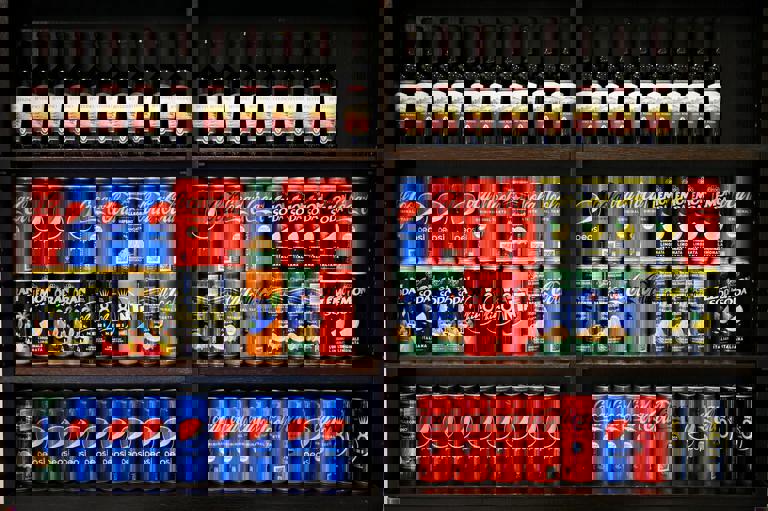
The beverage landscape is undergoing a transformation, as an increasing number of craft soda startups introduce bold, unconventional flavors to supermarket shelves. These entrepreneurial ventures are shaking up a market long dominated by classic cola and lemon-lime sodas, seeking to satisfy a growing consumer appetite for originality. Shoppers today often find themselves confronted with colorful bottles promising everything from lavender-infused ginger ale to birch bark root beer, making the act of buying soda a much more adventurous experience.
Unlike the mass-produced drinks from beverage giants, craft sodas are produced in small batches, allowing makers to experiment with unexpected ingredient combinations. According to market analysts at Technavio, the global craft soda market is expected to reach $732 million by 2026, fueled by consumers in the CA region and beyond demanding healthier and more innovative beverages. These startups often highlight their use of real cane sugar and avoidance of high-fructose corn syrup, appealing to health-conscious buyers.
Entrepreneurs in this space see themselves as both artisans and disruptors. “People are bored with the same old options. We wanted to create something memorable that sparks conversation,” says Tara Lin, co-founder of Songbird Sodas, whose lineup includes a rosemary-grapefruit spritz. By incorporating botanicals and culinary herbs, beverage creators tap into trends associated with mixology and premium cocktails, which have become increasingly popular in recent years.
Many craft soda brands emphasize transparency in their sourcing and production methods. Labels enthusiastically declare the use of locally sourced fruits and fair-trade spices, strategies that connect with consumers seeking ethical choices. A recent survey by Canadian Grocer magazine found that 41% of consumers are more likely to purchase products that emphasize sustainable ingredients and transparent practices, further incentivizing startups to adopt these values.
One of the driving forces behind the rise of unusual soda flavors is the younger demographic’s open-mindedness toward experimentation. Gen Z and Millennials, in particular, show a strong affinity for beverages that tell a story or evoke a sense of discovery. “It’s about creating an experience, not just quenching thirst,” observes market researcher Elena Dias of Beverage Industry Insights. Unique flavors like wild elderflower, cardamom-lime, and smoked tea are gaining traction in this environment.
Craft soda startups are also benefiting from partnerships with independent cafés, specialty grocery stores, and farmers’ markets, where customers are more receptive to boutique offerings. These venues offer a more personal touch, allowing producers to directly engage with buyers through tastings and interactive displays. Such connections help foster brand loyalty and enable smaller soda makers to gather instant feedback, continuously refining their recipes based on real-time consumer reactions.
Incorporating global influences has become a hallmark for innovative soda makers. Flavors inspired by international cuisines—think tarragon lemonade reminiscent of Eastern Europe or Indian-spiced tamarind—broaden the palate for local consumers. “Bringing these flavors home can be a nostalgic experience for some, and a doorway to new cultures for others,” explains food historian Malcolm Harper. This diversity reflects Canada’s multicultural food landscape, where fusion and authenticity coexist.
Despite the growing enthusiasm, new entrants to the soda market face a formidable challenge breaking into mainstream retail channels. Supermarkets allocate precious shelf space based on volume sales, and established multinational brands wield substantial influence. “It’s tough, but we’re finding opportunities in the natural foods aisle and with retailers who are excited about discovery,” notes Jiho Kim, founder of Botanica Fizz, a Toronto-based startup known for its lemon-thyme soda.
Marketing is critical for craft soda makers keen on standing out. Startups often rely on distinctive bottle designs, compelling origin stories, and social media campaigns that highlight the artistry behind each batch. Instagram and TikTok, in particular, have become platforms for launching limited-edition flavors and engaging directly with niche communities who pride themselves on being early adopters of emerging trends.
The health aspect of craft sodas is another major selling point. Many new sodas boast organic certifications, lower sugar content, or added benefits like probiotics, setting them apart from traditional beverages often criticized for excessive sweetness and artificial ingredients. Nutritionist Sarah Mendel points out, “Consumers are definitely reading labels more closely these days. The promise of a cleaner, more natural product resonates with a lot of people looking to cut back on sugar without sacrificing indulgence.”
Pricing remains an important consideration for shoppers. Craft sodas, produced on a smaller scale and using premium ingredients, typically cost more than their industrial counterparts. However, studies indicate that consumers are willing to pay a higher price for perceived quality and uniqueness. Retail analyst Roberta Kier notes, “People don’t mind spending a little extra for something that feels special or aligns with their values, particularly on an occasional treat.”
Skeptics question whether the craft soda boom represents a fleeting trend or a longer-term shift in beverage preferences. Industry observers suggest that as long as startups continue to innovate and maintain quality, curiosity and demand will persist. The emphasis on freshness and seasonal flavors—such as strawberry-basil or spiced apple for specific times of the year—encourages repeat purchases and keeps the category dynamic and ever-evolving.
Major beverage corporations have taken note of the movement, with some launching their own artisanal lines or acquiring successful startup brands. This blurring of lines between small-batch authenticity and large-scale distribution poses new questions about the definition of “craft.” Nevertheless, industry insiders remain optimistic. As craft sodas gain visibility and evolve, they offer consumers a wider array of choices, fundamentally reshaping the world of fizzy drinks one unusual flavor at a time.