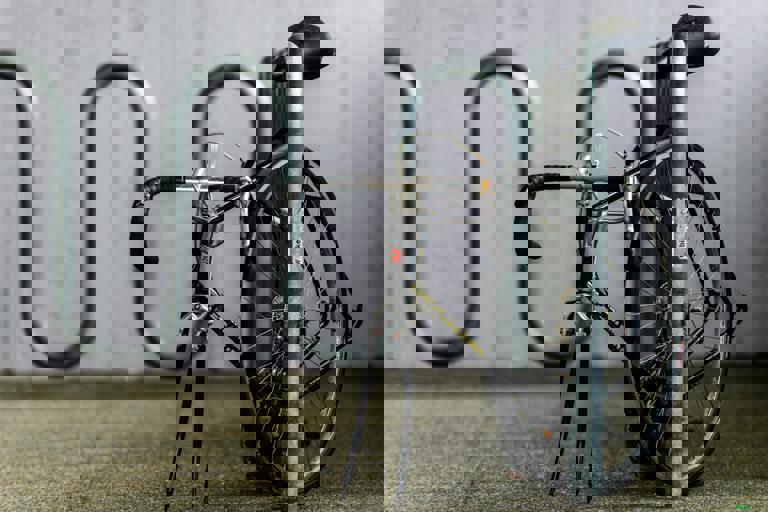
A new era of bike security is arriving at major transit hubs, where the introduction of high-tech bike lockers is promising to revolutionize the cyclist’s commuting experience. These state-of-the-art lockers are being installed at stations with heavy bike traffic, responding to long-standing concerns among cyclists about theft and weather exposure. The lockers provide a modern solution to encourage more people to combine cycling with public transit.
Equipped with digital entry systems, the new lockers allow cyclists to use smartphone apps or electronic cards to secure their bicycles. Unlike traditional key-based systems, these high-tech setups offer more flexibility, including the option to reserve lockers through an online platform. Transit authorities believe this move will address demand for secure, accessible storage while integrating seamlessly with other smart city initiatives currently being rolled out.
According to recent studies by transportation agencies, bike theft remains a significant deterrent for potential cyclists. "Many commuters have reported avoiding biking to the station after hearing about thefts," says James Carlyle, a spokesperson for Urban Mobility Solutions. The promise of secure storage not only protects bikes but also reduces stress for commuters, making alternative transport modes more appealing.
The installation process began with a pilot program that garnered positive feedback from users. Cyclist Emma Lin shared her experience: "The digital locker gave me peace of mind. I didn’t have to worry about whether my bike would be there at the end of the day." Early adopters have noted improvements in convenience and reduced concerns over weather-related damage and vandalism.
These smart lockers are robustly constructed, featuring reinforced materials and tamper-resistant designs. Built-in surveillance cameras and real-time monitoring enhance security even further. Users receive notifications about their locker status and can track access attempts through the companion app, ensuring only authorized individuals can open them. Such measures are expected to deter would-be thieves and increase overall public confidence in station amenities.
Accessibility has been a central focus of the rollout. The lockers are strategically placed near main station entrances and are designed to accommodate a variety of bicycles, including e-bikes and cargo models. This inclusivity aims to serve a wide cross-section of commuters. Additionally, multi-language support within the digital interface reflects the region’s diversity, ensuring usability for all.
Transit authorities are collaborating with cycling advocacy groups to ensure the lockers meet real-world needs. “We consulted with local cycling organizations before launching the project,” explained Melissa George, a city transit planner. “Their input was crucial in determining the size and placement of the lockers, and we continue to refine the features based on ongoing feedback.” This collaborative approach is being lauded as a model for future infrastructure projects.
Funding for the smart bike lockers comes from a combination of municipal resources and federal grants targeted at sustainable transport. The project is part of a larger strategy to reduce car dependency and lower greenhouse gas emissions by encouraging multi-modal commutes. Authorities anticipate that better bike storage will not only benefit cyclists but also support broader climate action goals and traffic decongestion efforts.
Public reception has been enthusiastic, with some stations reporting a marked uptick in both cyclist numbers and locker reservations. "It’s clear that secure parking options were a missing link in the transit system," notes Leah Dubois, a daily commuter. Local officials have indicated that additional lockers may be deployed if current usage trends continue, ensuring sufficient capacity as more people make the shift to cycling and transit.
In addition to lockers, transit agencies are exploring other cyclist-friendly improvements, such as clearly marked bike lanes leading to stations and better wayfinding signage. Bike repair vending machines and pump stations have also been proposed, aiming to create a comprehensive network of amenities. Such holistic planning reflects a long-term commitment to supporting active transportation and improving the overall transit experience.
As with any technological innovation, challenges remain. Ensuring reliable connectivity for digital entry systems and providing real-time customer support are ongoing tasks. There are also questions about locker pricing, with advocates stressing the need for affordability. Transit authorities have stated their intention to keep usage fees reasonable or explore subsidized rates to maximize accessibility for all income brackets.
Looking ahead, experts predict that smart bike lockers could become a standard feature at all major transit hubs nationwide. The blend of security, convenience, and digital innovation represents a significant step toward safer, greener commutes. As more commuters discover the peace of mind and flexibility these lockers offer, the cities stand poised to embrace a more integrated and cyclist-friendly future, reshaping the daily journey for thousands.